



Dental practices depend on their practice management system (PMS) to keep scheduling, billing, insurance claims, reporting, and collections running smoothly. But while many teams assume their system is functioning properly, hidden setup issues inside the PMS can quietly create major revenue problems behind the scenes.
Small configuration mistakes often lead to missed insurance claims, inaccurate payment posting, unreliable reports, and increased administrative work.
Even worse, many of these problems develop gradually over time, making them difficult to identify until cash flow slows down or reporting discrepancies become impossible to ignore.
In many practices and DSOs, revenue gaps stem from broken workflows, incomplete integrations, inconsistent permissions, or automation failures that were never fully addressed during implementation or system updates.
[[TOC]]
The good news is that identifying and correcting hidden PMS setup issues can improve collections, reduce operational errors, and strengthen financial visibility across the organization.
Key takeaways on discovering whether your PMS is causing revenue problems:
- Incorrect insurance settings, broken workflows, and integration failures often contribute to revenue leakage.
- Payment posting errors can distort A/R reporting and create patient billing inaccuracies.
- Regular PMS audits and workflow optimization help practices improve collections and operational visibility.
Why hidden PMS issues are so difficult to detect
One of the biggest challenges with PMS-related revenue gaps is that many issues happen silently in the background. Unlike a major software outage, these problems rarely stop operations entirely. Instead, they create small inefficiencies and errors that slowly compound over time.
Many dental teams develop manual workarounds to compensate for system inconsistencies. Staff members may resubmit claims manually, correct payment posting mistakes individually, or maintain separate spreadsheets to track issues the PMS should already be handling. Over time, these temporary fixes become normalized.
Recurring billing inconsistencies also tend to become less visible because staff become accustomed to them. Teams may assume that certain claims always require extra follow-up or that reporting discrepancies are simply part of the process.
The problem is that hidden PMS issues rarely stay small. What begins as a minor configuration error can eventually impact cash flow, increase accounts receivable, and reduce confidence in financial reporting.
Common PMS setup issues that cause missed claims
Missed insurance claims are one of the most damaging consequences of PMS setup problems. In many cases, claims are delayed (or never submitted at all) because of incorrect configurations buried inside the system.
Broken claim status workflows can also create visibility problems. Claims may become stuck in “pending” status indefinitely, preventing teams from identifying submission failures quickly enough to avoid reimbursement delays. .jpg?width=517&height=345&name=DSC00529%20(1).jpg)
Missing provider credential details are another frequent issue. If provider IDs, tax IDs, or credentialing information are incomplete, claims can be rejected automatically by payers or clearinghouses.
Incomplete CDT codes can create additional billing errors, especially when procedures are not tied correctly to insurance plans or fee schedules. In some cases, claims are never generated because required codes are missing entirely. Other common issues include:
- Claims never submitted due to missing required fields.
- Incorrect payer routing information.
- Eligibility verification mismatches.
- Outdated insurance carrier configurations.
- Inconsistent claim attachment settings.
Even small issues like these can significantly delay reimbursements and create unnecessary rework for billing teams.
Payment posting errors that create revenue gaps
Payment posting is another area where PMS setup issues frequently create hidden financial problems.
Manual posting inconsistencies are especially common in practices that rely heavily on staff intervention instead of automation. Different employees may apply payments, adjustments, or write-offs differently, creating inconsistent financial records across the system.
Duplicate payments and unapplied credits also create confusion for both staff and patients. Without proper workflows and reconciliation processes, practices may unintentionally overstate collections or generate inaccurate patient balances.
Read more: Warning signs your dental practice needs A/R-only or posting-only services
ERA/EOB import failures present another major challenge. If electronic remittance files fail to import correctly, teams may be forced to manually post insurance payments, increasing the likelihood of human error. These posting errors don’t just affect bookkeeping. They directly impact:
- Accounts receivable reporting.
- Patient billing accuracy.
- Collection efforts.
- Financial reconciliation.
- Cash flow visibility.
Over time, even small posting inconsistencies can undermine trust in the practice’s financial reporting.
Reporting inaccuracies hurt decision-making
Accurate reporting is critical for both independent practices and DSOs. Unfortunately, hidden PMS configuration issues often create unreliable financial and operational data.
Inconsistent provider or location setup is one of the most common causes of reporting inaccuracies. If providers, operatories, or office locations are configured differently across the system, reports may produce conflicting data depending on how information is filtered. 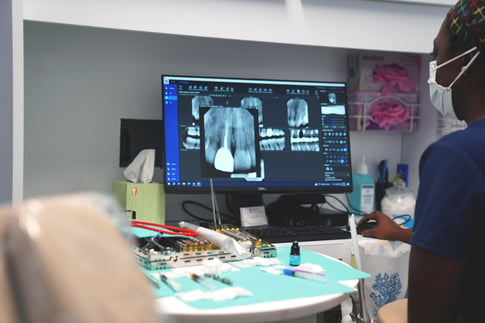
Incorrect fee schedules can also skew production and collection metrics. Practices may believe they are generating stronger revenue than they actually are because adjustments and contracted rates are not reflected properly.
Improper write-offs create additional confusion. If write-offs are categorized inconsistently, leadership teams may struggle to understand true collection performance or identify trends impacting profitability.
Another common issue is inaccurate production versus collection reporting. When posting errors, adjustment problems, or synchronization failures exist between systems, key performance indicators become unreliable.
Warning signs your PMS may have hidden revenue gaps
Many dental practices do not realize they have PMS setup issues until operational problems become impossible to ignore. Fortunately, there are several warning signs that often indicate hidden revenue gaps are already affecting performance. These include:
- Rising accounts receivable.
- Frequent claim resubmissions.
- Unexplained reporting discrepancies.
- Increased patient billing complaints.
- Delayed insurance payments.
- Staff spending excessive time troubleshooting billing problems.
- Inconsistent collection reporting across locations or providers.
In many cases, what initially appears to be a staffing issue is actually a systems issue. When teams constantly spend time correcting errors manually, the PMS may be creating unnecessary friction behind the scenes.
Read more: What's the best dental practice management software? How to make the right choice
Turn to DCS Special Projects for a PMS Cleanup
To recap, here’s what we covered:
- Why hidden PMS issues are so difficult to detect.
- Common PMS setup issues that cause missed claims.
- Payment posting errors that create revenue gaps.
- Reporting inaccuracies hurt decision-making.
- Warning signs your PMS may have hidden revenue gaps.
Many dental practices know something is wrong with their billing workflows or reporting, but identifying the root cause internally can be difficult.
That’s where DCS Special Projects can help.
The DCS team works with practices and DSOs to identify hidden PMS setup issues, clean up broken workflows, optimize reporting structures, and improve operational consistency across systems. Whether the problem involves claims management, payment posting, reporting inaccuracies, or integration failures, a comprehensive PMS review can uncover issues that may have been impacting revenue for years.
Book a call with DCS to identify hidden system issues and improve the performance of your revenue cycle operations.

Related Posts
Dental revenue resources from Dental Claim Support